

Sustainable Carbon Black from End-of-Life Tyres
INDUSTRY CHALLENGES
1.5B
ELT tyres are discarded annually—landfills, incineration, or abandonment
$25.8B
Global carbon black market:
from $25.8B (2022) to $38.7B (2030)
250,000MT
European rCB demand: 250,000-550,000 MT annually (supply shortage)
30%
Tire manufacturers target 30% recycled materials by 2030, 100% by 2050.
SOLUTION
BLACK PEARL'S TECHNOLOGY:
-
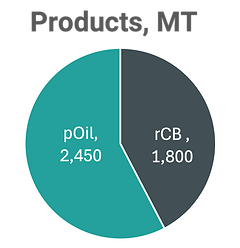
converts ELTs into high-quality recovered carbon black (rCB), along with by-products such as pyrolysis oil and syngas.
-
transforms the economically ineffective tyre recycling process into a highly profitable business
-
80% lower CO2 emissions and reducing the tyre industry’s reliance on virgin carbon (vCB)
BPrCB SUBSTITUTION CAPACITY

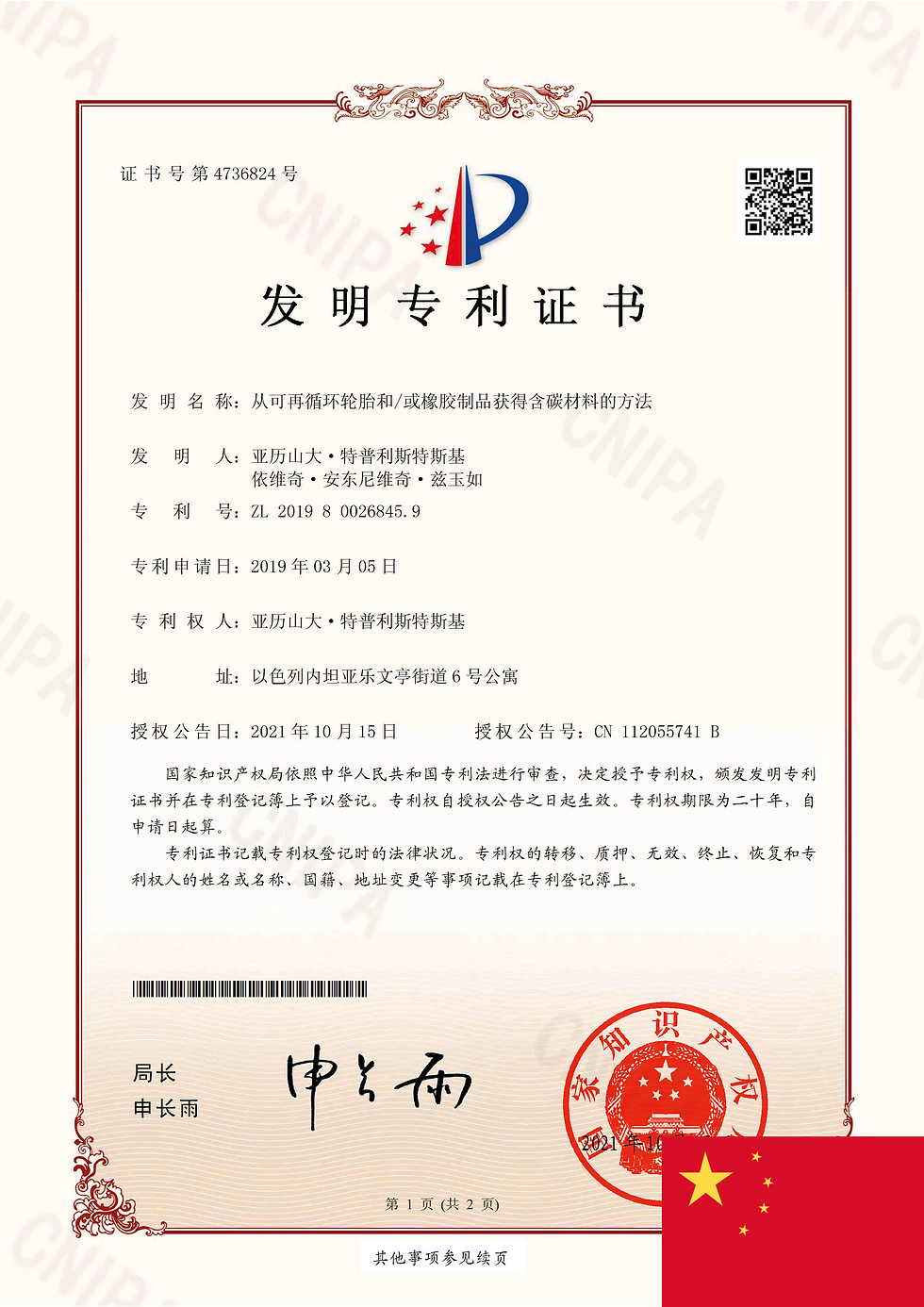
OUR PATENTS



OUR PRODUCTS

BLACK PEARL'S
RECOVERED CARBON BLACK

BLACK PEARL'S
PYROLYSIS OIL

SYNGAS
Recovered carbon black (rCB), produced from end-of-life tyres via pyrolysis, offers 80-90% of virgin carbon black's performance at a lower cost. It reduces CO₂ emissions by 80% and conserves petroleum resources, tackling the waste tyres issue.
The global virgin carbon black market, valued at $18 to $20 billion in 2024, produces around 15 million metric tons annually. The tyre industry consumes about 70% of this, with prices ranging from $1,200 to $2,500 per ton.
The rCB market is growing over 10% yearly and is expected to exceed $1 billion by 2030. Tyre manufacturers aim to raise sustainable material use from 0-2% to 25-50% by 2030 to meet environmental regulations.
Black Pearl’s patented process significantly boosts rCB quality, enabling the substitution of 50% or more of virgin carbon black in tyres, which puts it ahead of competitors.
Pyrolysis oil from waste tyres is a complex hydrocarbon liquid similar to petroleum, produced alongside rCB and syngas during thermal decomposition. This oil serves as feedstock for fuels and chemicals and can be refined into diesel substitutes or used directly in industrial boilers.
The global market for pyrolysis oil is valued at between $300 million and $350 million by 2024, with an annual production capacity of approximately 500,000 metric tons. Prices for this oil can reach up to $700 per ton, depending on its quality. The market is expected to grow by 12 to 15% annually, with projections suggesting it could exceed $750 million by 2030.
Producing syngas with a higher heating value (HHV) is beneficial for pyrolysis systems because it can be directly utilised in the process, making it energy efficient.
OUR BENEFITS
PATENTED TECHNOLOGY
MVP
PROVEN EXIT STRATEGY
-
rCB + vCB manufacturer collaborations (e.g., Birla Carbon & Circtec),
-
commercial partnerships with tyre makers (e.g., Michelin-backed joint ventures).
Black Pearl technology holds patents in major markets like the EU, US, South Korea, Brazil, China, Japan, and others.
Black Pearl’s rCB produced in the pilot factory in Ukraine has undergone testing and validation by manufacturers TGL SP and Yokohama Off-Highway Tires, adhering to ASTM standards. Tests confirm that BPrCB has the potential to substitute for over 50% of vCB, surpassing competitors.
NEGEV FACTORY
KEY FACTS (ISRAEL)

FROM THE FOUNDERS
Dedication. Expertise. Passion.

Lev Mashin
Black Pearl's Co-Founder
Hi there.
Thank you for your time! Black Pearl has revolutionized sustainability by patenting technology that converts end-of-life tyres (ELT) into high-quality recovered Carbon Black (rCB). This process recycles hazardous waste and creates valuable products.By choosing our technology, you invest in a highly profitable business and contribute to a cleaner planet.

Alex Teplitski, PhD
Black Pearl's Co-Founder
Black Pearl’s rCB has undergone testing and validation by manufacturers TGL SP (ISR) and Yokohama Off-Highway Tires (ISR), adhering to ASTM standards. tests confirms that the potential to substitute over 50% of vCB, surpassing competitors.
We strategically chose Negev as a prime location for the first plant because of its benefits for our business and undetermined value for the Israel industrial development.
